Leak Detection in Tucson, AZ
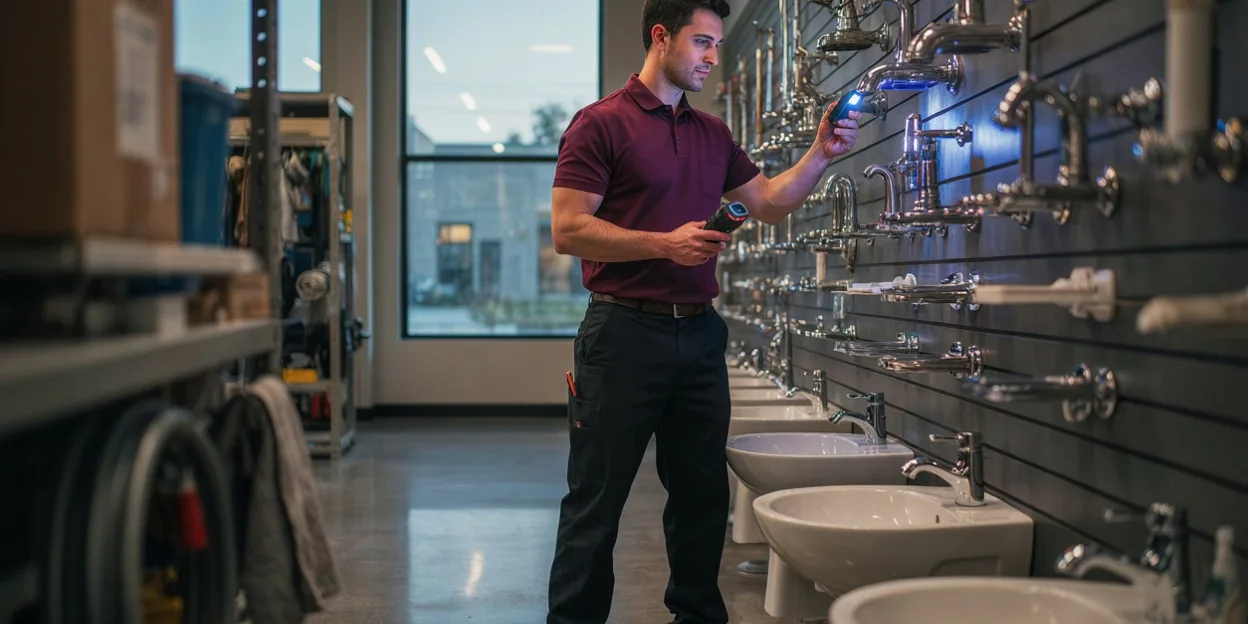
Tucson Water sent a bill twice the usual size and nothing in the house drips. The tile outside the laundry room is warm underfoot, and the cat has taken to sleeping there. In a midtown ranch with its original copper in the slab, that warm spot is almost always a hot-water line leaking under the concrete. This site routes your call to an independent local provider who does leak detection across Tucson and Pima County.
Pinpointing the line under the concrete
The provider starts at the meter box by the sidewalk. With every fixture closed, a moving dial means water is leaving the system somewhere. Closing the valve on the water heater splits the problem into hot and cold. Then the listening gear comes out: acoustic sensors pick up the hiss of pressurized water escaping under the slab, and a thermal camera shows the warm streak a hot-water leak paints on the floor. A pressure test on each branch narrows it to a few feet.
The goal is one opening. A slab leak repaired through a single cut in the hall is a different job from a floor trenched across three rooms on a guess. Some providers will propose a reroute overhead through the attic instead of opening the slab at all, which is common on houses where the copper has already pinholed twice. Once the line is fixed, the wet tile and drywall around it become a structural drying job.
What you can check before anyone arrives
Turn off every faucet, the ice maker, the cooler supply, and the irrigation timer, then watch the small dial on the meter. If it moves, write down the reading and check again in an hour. Walk the floors barefoot and note where the tile is warm. Look along the bottom of the walls for a damp line, bubbling paint, or efflorescence, the white powder that hard water leaves when it dries. Do not pull up flooring. Photograph what you find and call.
What comes out and what stays once the line is found
Most of the house stays where it is. The point of finding the line first is that only the tile and drywall right at the break get disturbed. Tile over the repair cut is replaced, and the drywall beside a wall leak is opened for the plumber. Laminate that already cupped comes out. Everything else is metered and dried in place where the numbers allow. Ask the crew to mark the wet boundary before they write the scope.
Hard water, old copper, and the Tucson slab
Tucson's water is among the harder supplies in the country, and it has been eating copper from the inside since the lines went in. Ranches built in the 1950s through the 1970s across midtown, Flowing Wells, and Casas Adobes still carry that copper in or under the slab, and pinhole leaks at the elbows are a routine call. Houses from the 1990s onward in the foothills, Rita Ranch, and Oro Valley are more likely to run PEX or copper in the attic, where the leak shows up as a ceiling stain instead of a warm floor.
Freezes complicate the picture. A hose bib line or a cooler supply that froze in February 2011 may have cracked without splitting, and the drip shows up months later as a soft wall. When it lets go all at once, that is burst pipe water damage. When the source turns out to be above, it is ceiling water damage repair.
Arizona policies vary more on slab leaks than on any other water loss. Some pay to open and close the slab but not to fix the pipe; many exclude a slow leak as gradual damage. Ask the crew to photograph the readings before and after the repair so the adjuster sees what was found.
Call about the warm tile or the dial that will not stop
Have the address and your last two water bills handy, and be ready to say where the floor is warm or the wall is damp. Say whether the dial kept turning with every fixture closed. Call (520) 422-6139 and tell us what the meter and the floor are doing.